The New Face of Burnout: Why High Achievers Break Down Quietly
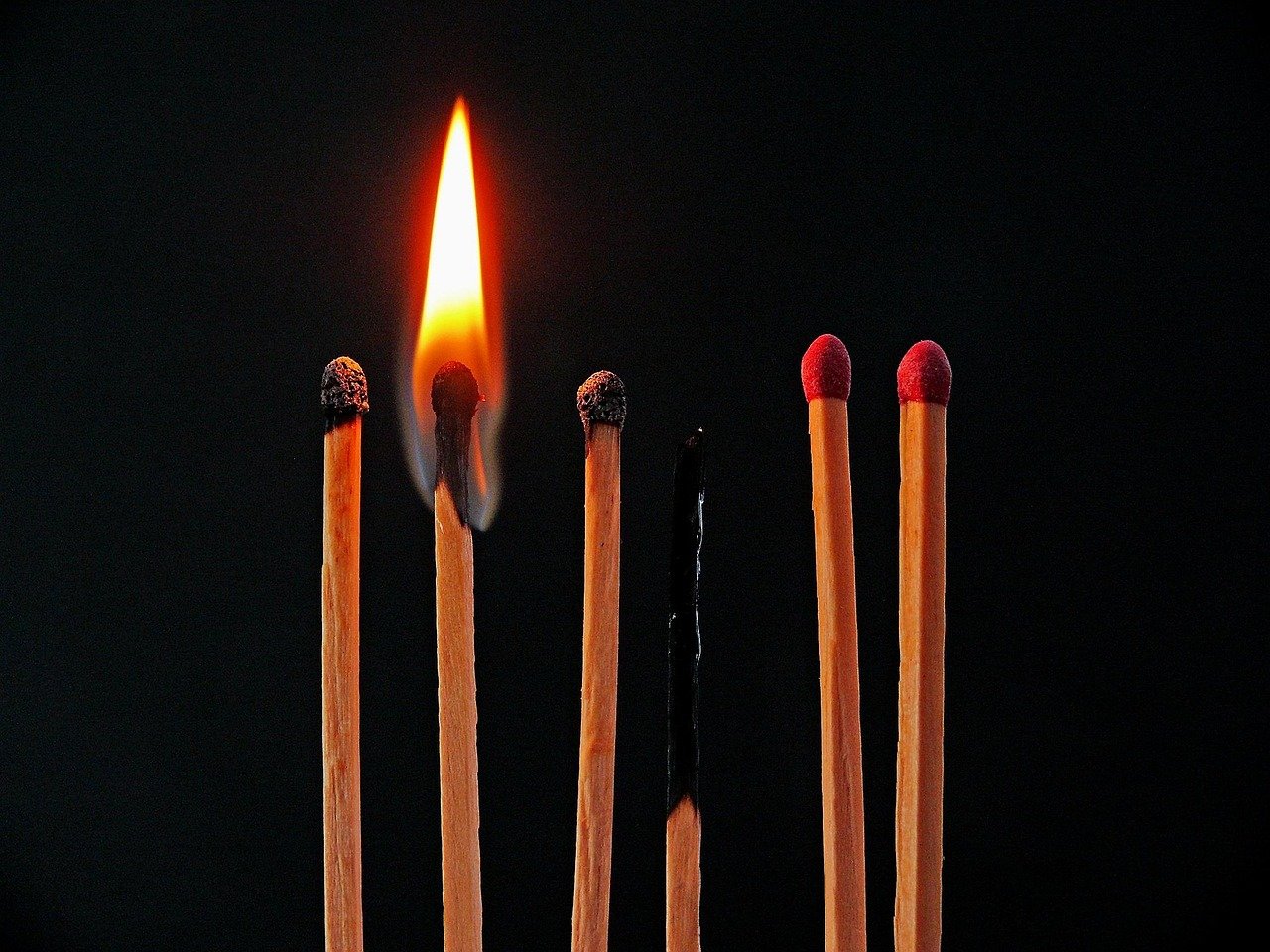
Burnout has always existed, but today, it’s wearing a different face. Not the one of someone who is visibly exhausted, overwhelmed, or disengaged.
The new face of burnout looks polished, competent, and organised. It’s the colleague who delivers ahead of deadlines. The leader who is always available. The high achiever who appears to function effortlessly while carrying responsibilities that would overwhelm most people.
And yet, behind the calm exterior, something else is happening.
The Hidden Burnout Of High Performers
High achievers don’t break down loudly. They break down quietly.
Many of them are conditioned culturally, professionally, or through early life experiences to keep performing no matter the cost. They have internal rules such as:
“I should cope.”
“Others have it worse.”
“I must be strong.”
“If I slow down, I’ll fall behind.”
These beliefs, often rooted in perfectionism or a fear of disappointing others, make it difficult to notice when psychological fatigue begins to accumulate.
So burnout doesn’t arrive with sudden collapse.
It arrives silently, in subtle shifts:
Losing joy in things they used to enjoy
Feeling emotionally flat or irritable
Difficulty making small decisions
Feeling guilty for resting
A sense of “running on empty”
Increased reliance on food, caffeine, or avoidance behaviours
A persistent feeling of being “wired but tired”
Over time, this “quiet depletion” becomes a serious clinical concern affecting mood, sleep, immunity, relationships, and overall performance.
Why High Achievers Are At Great Risk?
Contrary to popular belief, burnout is not a sign of weakness. It often affects those who are most driven, talented, and committed.
Here’s why high achievers are especially vulnerable:
1. They continue functioning even when depleted
Their coping skills mask their fatigue.
2. They avoid asking for help
Not because they don’t need it — but because they don’t want to burden others or appear “less capable.”
3. Their identity becomes tied to performance
Success becomes the standard, not the reward.
4. They suppress emotional signals
They rationalise stress instead of recognising distress.
5. They underestimate the cumulative impact of chronic pressure
High performers push through — until their mind and body can’t keep up.
The Biology Behind Quiet Burnout
Chronic stress affects the cognitive-emotional system:
The amygdala becomes hypersensitive
Prefrontal functioning decreases
Decision-making becomes slower
Emotional tolerance drops
Sleep-wake cycles become disrupted
Hormonal regulation shifts
People begin to operate in fight-or-flight mode while still performing externally — the psychological equivalent of driving with the fuel light on.
Breaking The “Strong Person” Narrative
In my work with professionals, executives, and healthcare providers, I often say:
Strength is not the absence of vulnerability.
Strength is knowing when to pause before your body forces you to.
The mindset of “be strong and keep going” is admirable but can become harmful when it prevents self-awareness.
Rewriting this internal narrative often becomes the turning point.
Three subtle Signs You Should Not Ignore
If you relate to the following, your system may be signalling burnout:
1. You cope well publicly but crash privately
A sign of emotional depletion.
2. You’re always “on,” even during rest
Your nervous system isn’t resetting.
3. Small tasks feel mentally heavy
This is more than stress — it’s cognitive overload.
A Practical Exercise To Recalibrate
Here is a simple, 2-minute exercise I teach to clients and organisations:
The Cognitive-Emotional Check-In
Pause and ask yourself:
What is the emotion I am avoiding right now?
What is one thing I can stop doing today?
What is one thing I genuinely need?
(Rest, boundaries, connection, support, clarity…)
Writing these down daily for one week often brings surprising clarity — and immediate relief.
A Better Way Forward
Burnout recovery is not about “working less.” It’s about working sustainably by aligning:
your internal mindset
your emotional capacity
your nervous system regulation
your boundaries
your personal values
High achievers don’t need to be less ambitious. They need to be more supported internally and externally.
When performance and wellbeing work together, people thrive. When they pull in opposite directions, burnout becomes inevitable.
If You’d Like Support
I work with individuals, teams, and organisations to help identify burnout early, build emotional resilience, and restore balance between performance and wellbeing.
If you’d like access to a free burnout resilience worksheet or wish to schedule a short consultation, you can visit my website or contact me directly.
Your mental bandwidth matters as much as your productivity, and protecting it is not a luxury, but a professional responsibility.
I’m here for you. Let’s talk.
